





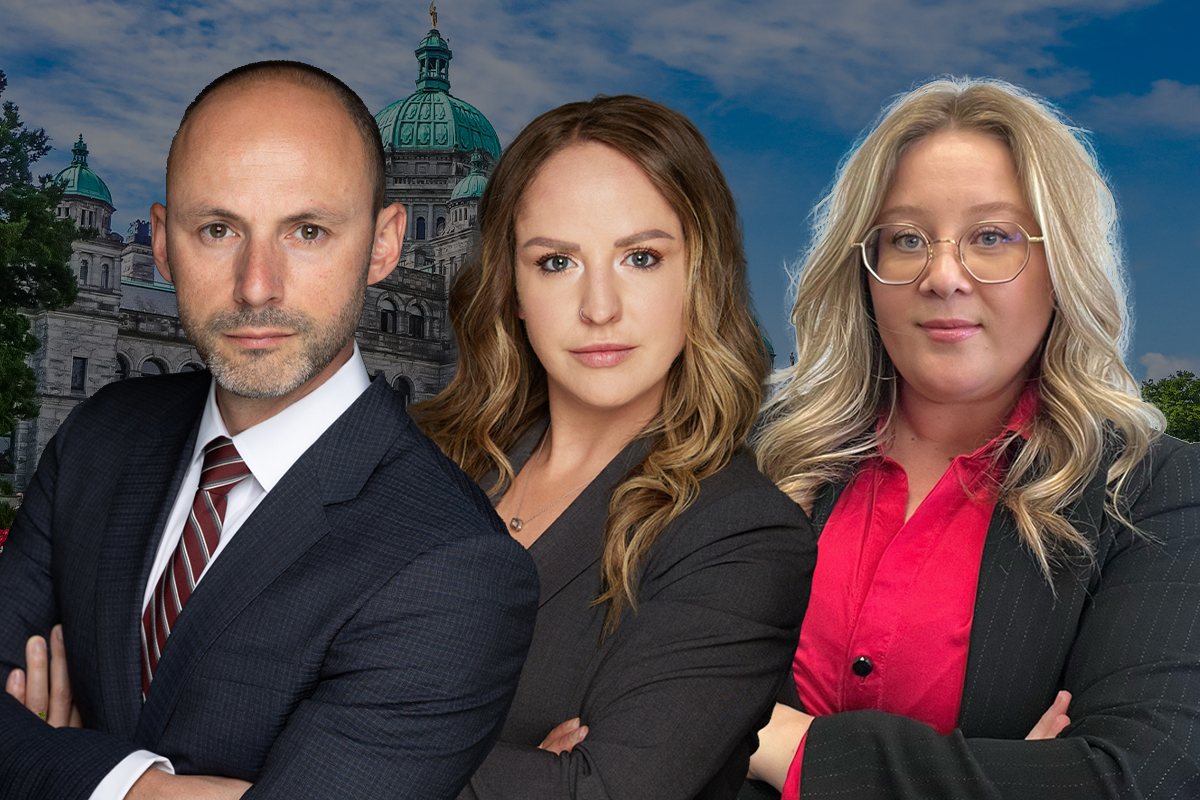
The changes to BC’s drug laws in recent years don’t make a drug charge any less stressful. You need the strongest possible defence for any charge under the Controlled Drugs and Substances Act.
This might include:
- Drug possession.
- Drug trafficking.
- Drug production.
- Importing or exporting.
Strategic Criminal Defence can help. We’ve defended people in hundreds of criminal cases across Greater Victoria since 2021. Our team brings over 40 years of combined criminal defence experience.
More than 75 clients have left five-star Google reviews in recent years. Julia Hunter and our team are available 24/7 for urgent arrests and bail hearings.
Accused of a drug offence? What next?
These immediate steps can protect your case and your record:
- Say nothing about the drugs beyond identifying yourself. Anything you say about ownership, knowledge, or intent can help prove the exact things the Crown needs to convict you.
- Do not consent to a search of your car, home, phone, or belongings. Only agree if the police show you a warrant. Agreeing can give up your right to challenge the search later.
- Contact us before you speak to the police again or attend your first court date. Early legal advice can protect your Charter rights and catch problems with how the police gathered the evidence. Otherwise, it may be too late to raise them.
If the Crown has not yet charged you, pre-charge legal advice can further protect you. A lawyer from Strategic Criminal Defence will ensure you don’t say or do anything that jeopardizes your position.
Contact us for a free, no-obligation consultation.
What are the main drug offences and penalties in BC?
Drug offences fall under the Controlled Drugs and Substances Act (CDSA). The charge you face depends on the drug’s schedule and what you’re accused of doing with it:
| CHARGE (CDSA SECTION) | WHAT IT USUALLY INVOLVES | MAXIMUM PENALTY |
|---|---|---|
| Possession (s. 4) | Having a controlled substance for personal use. | Up to 7 years, depending on the drug's schedule. |
| Trafficking or possession for the purpose of trafficking (s. 5) | Selling, sharing, or holding drugs meant for someone else. | Up to life, depending on the drug's schedule. |
| Production (s. 7) | Growing, making, or processing a controlled substance. | Up to life, depending on the drug's schedule. |
| Importing or exporting (s. 6) | Bringing drugs into or out of Canada. | Up to life, depending on the drug's schedule. |
Schedule I substances include oxycodone (OxyContin), cocaine, morphine, and heroin. These are the most serious. Lower-schedule substances generally carry lower maximum penalties.
None of these charges now carries a mandatory minimum jail sentence. A judge has full discretion over your sentence. Prosecutors must also consider diversion before pursuing a simple possession charge. That could be anything from a warning to a referral for treatment.
Is possession still illegal in BC?
Yes, and this has changed recently. BC’s decriminalization exemption did let adults carry small amounts of certain drugs without arrest. That exemption expired on January 31, 2026, and it was not renewed.
Simple possession of any amount of an illegal drug is once again a criminal offence across the province. The exception is specific sites, such as supervised consumption services.
Cannabis is different. It is legal under the Cannabis Act, within set possession limits. Most cannabis charges today involve exceeding those limits, or unlicensed sale or production.
What could a drug conviction mean?
A drug conviction has far-reaching consequences well beyond the courtroom or jail sentence. The criminal record can lead to:
- Career consequences, due to employment background checks.
- Immigration issues if you are not a Canadian citizen.
- Denied entry to the United States.
A conviction for a drug offence as a young adult can follow you for decades unless it is later pardoned.
What happens if you’re arrested and charged?
Drug charges are prosecuted federally by the Public Prosecution Service of Canada. Unlike most other criminal charges in the province, BC’s Crown counsel doesn’t handle them.
An investigation may start with:
- A routine police traffic stop.
- An intensive surveillance operation.
- A report or complaint from a witness or anonymous informant.
If the Greater Victoria police investigate you for a drug offence, they may arrest you. If they release you on a Promise to Appear, you must appear in court on the appointed day.
If you’re held, you may be taken to the Vancouver Island Regional Correctional Centre on Wilkinson Road until your bail hearing.
Some drug trafficking, production, and importing charges carry a ‘reverse onus’ at bail. This means you must show why you should be released, rather than the Crown having to show why you should not.
How can Strategic Criminal Defence help?
A judge will hear your case at the Victoria Law Courts, 850 Burdett Avenue. We can represent you at hearings, including your bail hearing. If a reverse onus applies in your case, we will argue strongly for your release.
In drug offence cases, bail conditions often include:
- No contact with any co-accused or other people named in the investigation.
- No possession of any controlled substance or drug paraphernalia.
- Surrender your passport, especially in cases involving importing, exporting, or major trafficking.
Our lead lawyer, Julia Hunter, used to work inside the Crown Prosecution Service and in Judges’ Chambers. She understands the arguments we need to make and looks for weak points in the case against you.
From your first call, we can:
- Explain the court process and protect your rights.
- Review the search or seizure to check whether the police respected your Charter rights.
- Work for diversion or a reduced charge where the evidence and your record support it.
Can we prevent a criminal record?
No lawyer can guarantee this. Prosecutors must, however, consider alternative resolutions for simple possession. More serious charges may still be reduced or resolved another way, depending on the evidence.
A conditional or absolute discharge is also an option for some charges, helping you avoid a criminal record even after a guilty plea. More of these charges now qualify because none of them carry a mandatory minimum sentence.
The earlier you speak with a lawyer, the more these options stay open to you.
Testimonials
Here’s what clients have said about us. Remember that past results do not guarantee future outcomes.
B.B.
A.L.
M.H.
What defences could apply to your case?
Drug cases often depend on what happened during the gathering and processing of evidence. Common defences include:
- Charter violations, such as an unlawful search of your car, home, or phone, or a stop without reasonable grounds.
- Lack of knowledge or control, where you did not know the drugs were there or could not access them.
- Problems with the chain of custody (how the drugs were handled or stored) after seizure.
- Entrapment, where police induced you to commit an offence you would not otherwise have committed.
We review how the police obtained their evidence. A successful Charter challenge can render that evidence inadmissible.
Frequently asked questions
Contact us for a free, no-obligation consultation.
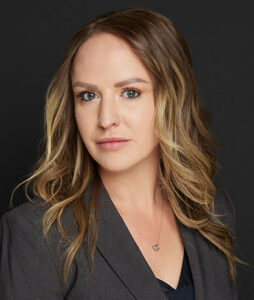
Verified By: Julia Hunter, Criminal Defence Lawyer
Julia Hunter is a senior criminal defence lawyer at Strategic Criminal Defence in Victoria, BC. She has appeared at every level of court in British Columbia and has defended clients on assault, impaired driving, theft, break and enter, and sexual offence charges. Before moving to defence work, she trained with the Alberta Crown Prosecution Service and the Specialized Prosecutions Branch, giving her direct insight into how the Crown builds its case. Julia holds a Law Degree with Honours from Queen’s University Belfast.